Select and Remove Any Color From Image And Add Transparency

If you’ve ever tried editing an image, you know that it can be valuable to selectively remove a large portion of it or a single color. Photoshop and many image editing suites come with tools like the magic wand and lasso that will do their best to select part of an image for removal. Sometimes though, it can be faster and easier to simply remove all of a certain colorĀ  to get to the part of the image you really need to edit. This is obviously most useful in an image with large areas of a single color.

There is a Freeware program for Windows called Transparent Image Converter that can accomplish just this task. After downloading and installing the program, follow these simple steps to remove all areas of a particular color from an image. You can even go over the image several times if areas of slightly different color remain and you’d like to clean it further.

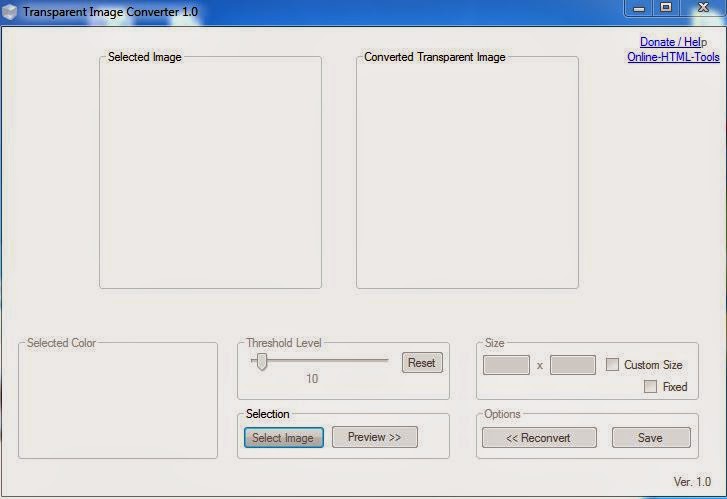
1. Click Select Image. Browse for the image you want to edit and select it.
frm00001

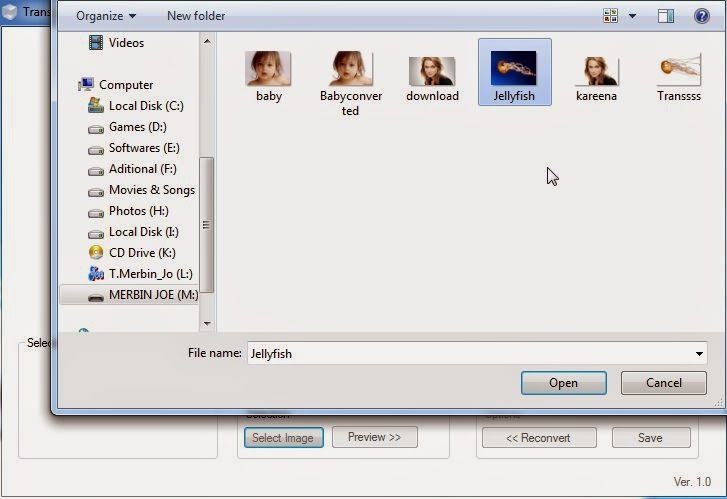
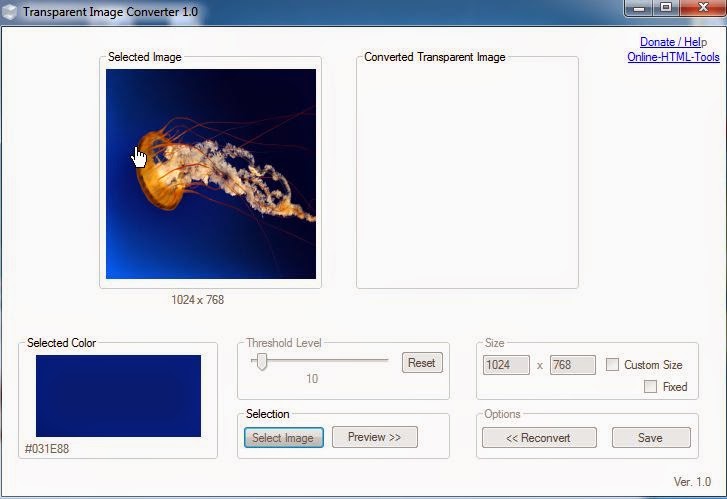
2. In the image viewing pane, mouse over the image and find the area with the color you want to remove. A color preview box below shows the color the mouse is currently on. Click the image once the mouse is over the right color.
frm00002

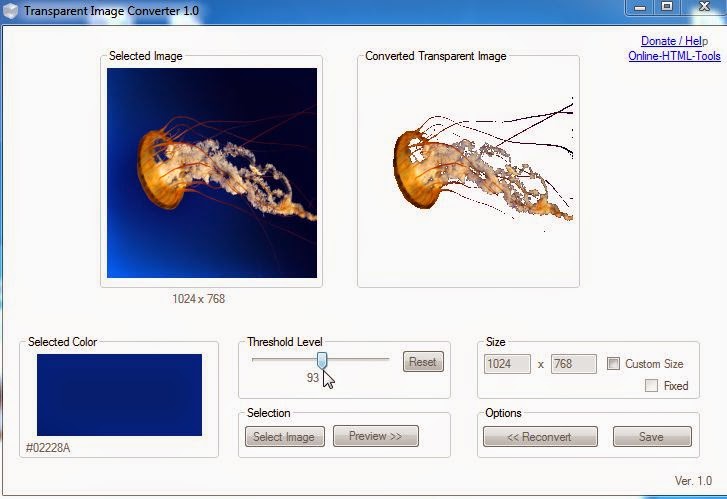
3. Select a Threshold level and click Preview to see the results of removing the color. You can adjust the Threshold to get varying levels of removal.
frm00003

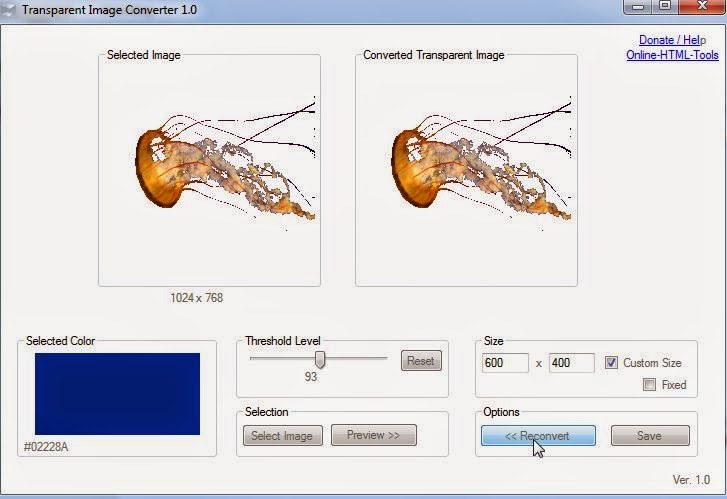
4. If you want to remove more color, click Reconvert under Options and the image can be edited again.
frm00004

5. You can also resize the edited image by entering the new dimensions in the Size area.
frm00001_2

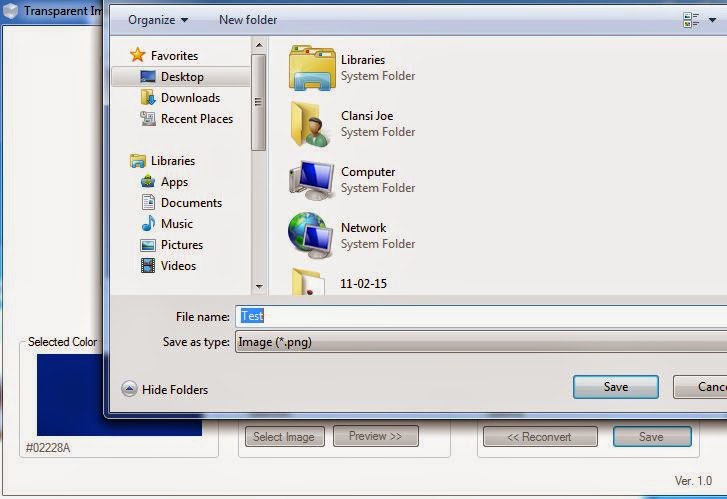
6. When you’re satisfied with the final result, click Save.
frm00006

Now you should have a much cleaned up image that’s free of the colors you don’t want. It’s a very handy editing tool for a specific and useful task.

Source: Transparent Image Converter 1.0
Disable Facebook Messenger Location Sharing on Android and iOS

If you’ve been happily using Facebook’s Messenger app without knowing that it was constantly tracking your location and making it available to nearly everyone, take note. Facebook Messenger does track and upload your location data by default so as long as you’ve had this feature enabled, anywhere that you’ve been can be easily viewed on a map for any date and time that the data was uploaded. This is obviously a major privacy concern for some who wouldn’t want their every habit detailed. Luckily there is a way to disable location logging from the Messenger app. Just follow these steps to stop the app from constantly uploading your location.

For Android devices:

1. Open the Messenger app on your device.

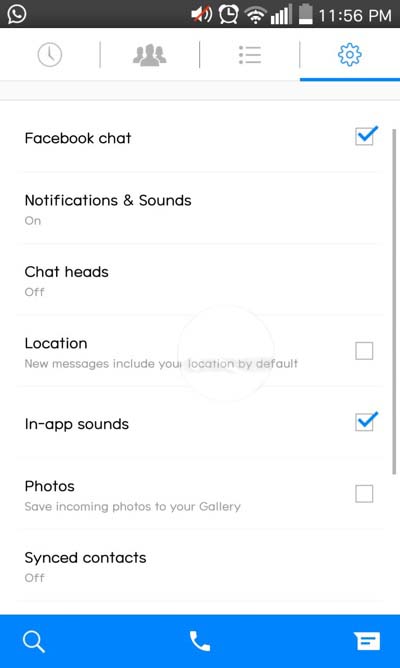
2. Tap the Settings tab.

3. Under Settings, tap the box next to Location so that it’s blank. This will disable location logging by default.

Android-location

For iOS devices:

1. Open the Settings app.

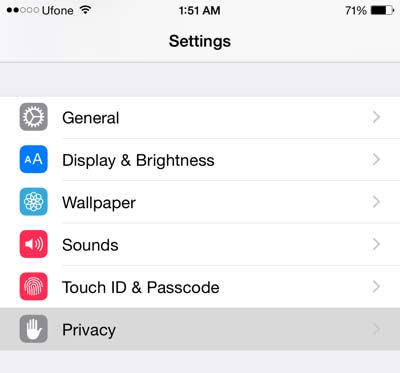
2. Go to Privacy then Location Services.

IMG_1382

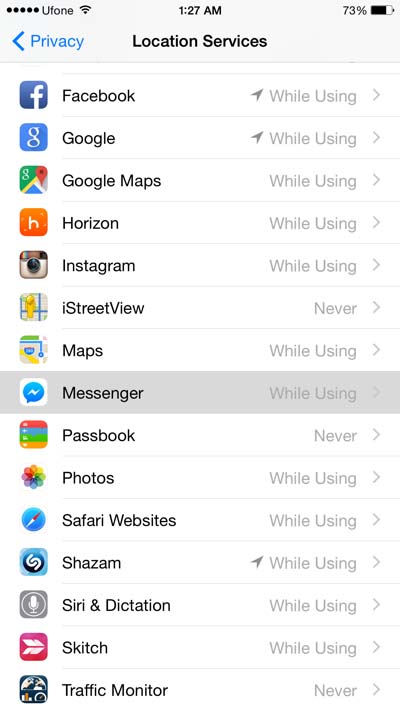
3. Now you should find a list of apps that use location data. Find the Messenger app in the list.

IMG_1378

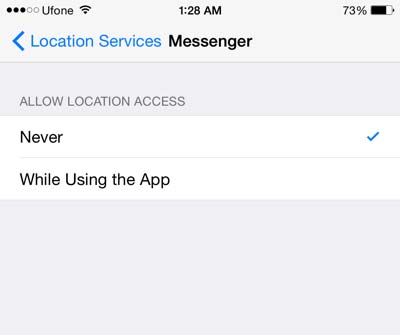
4. To the right of the Messenger listing, change the setting to Never.

IMG_1379

Once the location logging has been disabled, Messenger shouldn’t upload that data with your posts. Of course if you like and use this feature and want to be able to instantly track where you posted something from, you can just reverse those settings to enable it again. Location data does have its uses if you want people to easily map where you posted from or you’re doing some sort of project where it’s necessary. You might also like to go back and review your own posts and quickly see where they were made from for memory’s sake. For most however, it’s probably a good idea to disable it just for security and privacy reasons.

Twitter Has Released Periscope for Android

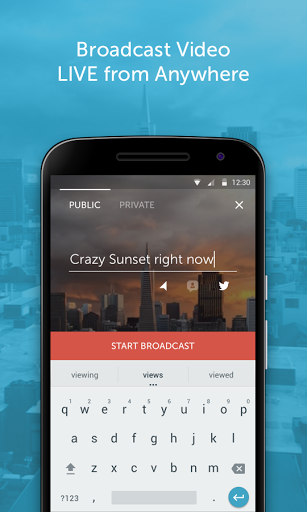
Although the iOS version of popular social media streaming app Periscope has been out for a bit, the Android version has just officially been launched by Twitter. If you’ve never used Periscope, the idea is simple. You can stream anything from anywhere on your phone and share the feed with anyone, especially your Twitter followers. Like its namesake, Periscope provides you a viewing port to anywhere in the world where someone has set up their video stream. The applications for this are nearly endless and can give you an incredible front row seat to places and things you’d never be able to see otherwise, one of the marvels of modern technology. Periscope is also notable for allowing viewers to chat and interact with the one doing the broadcasting so it’s a more social and interactive experience for everyone.

The Android version features helpful notification settings that allow you to get in on the biggest streams happening on Periscope. If you enable notifications, anyone you follow on Twitter who begins streaming will send a notification to you so you can join in. On the other side, if you’re the one broadcasting you can set it to alert your followers so that they know when to tune in. One very helpful new feature in Periscope is Return to Broadcast, which at the touch of a button will return you to the stream you were watching should it be interrupted by a call or message on your phone. It’s fantastic for making sure you miss as little as possible and are able to find the original stream quickly.

periscope_01 periscope_02

Periscope is set to shake up the landscape of streaming and social media as well as society at large. How will we deal with nearly infinite roaming, streaming cameras everywhere? What are the implications in terms of privacy and copyright holders when people choose to stream media they don’t own? It should be an interesting ride to say the least when it comes to how the vast Twitter user base chooses to use Periscope.

Source: Periscope for Android on the Google Play Store

How To Check iphone Battery Status From Your Apple Watch

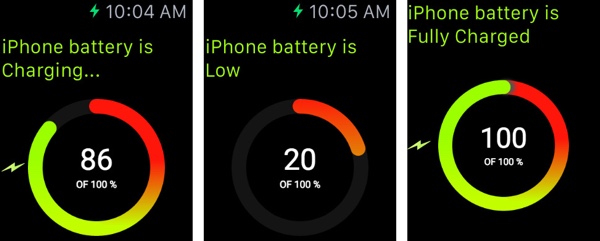
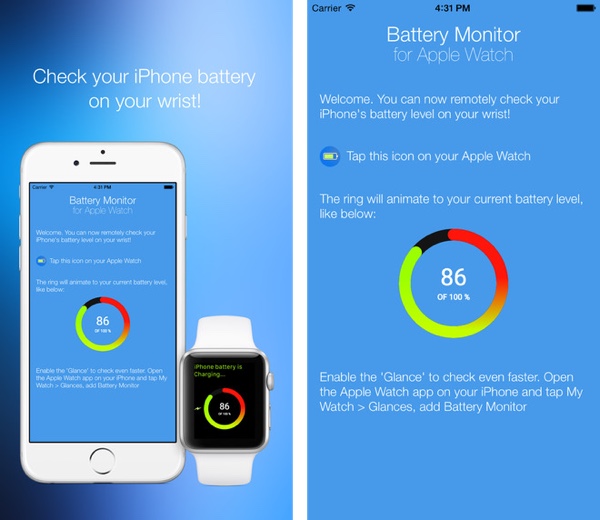
Enterprising developer Tom Etminan has written a lightweight app called Battery Monitor that allows you to check the iPhone’s battery status right from an Apple Watch. It’s a bit surprising that Apple neglected to include this feature as standard when the Apple Watch released. Because the Apple Watch’s functionality is so tied to the iPhone, it would make sense that you’d like to be able to make sure it has enough charge to keep both the Apple Watch and iPhone working. Interestingly enough, the Apple Watch can serve to dramatically increase iPhone battery life as some simple checking tasks are offloaded to the watch itself. You don’t have to constantly turn on the iPhone screen and drain the battery just to check that latest notification.

1110

The app can be launched manually, or for more convenience you can enable it in Glances and simply swipe up to check your iPhone’s battery right through the Apple Watch. The app itself has a fully animated indicator ring that shows how full or depleted the iPhone’s battery is. There is also a short text indicator on the top that tells you if the battery is charging, low, or fully charged which is helpful for people who prefer text and want to know exactly what the battery is doing currently. It’s a great way to be sure that you never find your Apple Watch unresponsive because the iPhone’s battery died. You can instantly check to see whether or not you need a quick iPhone charge.

129

For now Battery Monitor is available on the App Store for free. The developer plans to begin charging users for the app soon however, so it might be wise to grab it if you still want it at no cost. If you’re ever prone to battery charge anxiety, it’s definitely recommended. Who knows if Apple will ever get around to implementing it as a default part of the iPhone, Apple Watch software?

Transfer Contacts From Android to Your iPhone

If you’ve decided to switch from an Android phone to the iPhone or if you’re a user of both, you’ve likely had the need to transfer your list of contacts between devices. There are a few ways of transferring contacts from an Android phone to the iPhone ranging from the very simple to those requiring a little more effort. Because this is such a common task, it’s relatively easy and already built into Android and your Google account. Try out these methods to transfer all of your important contacts between devices.

1. Under Settings on your Android phone, go to Accounts and Sync. It could also be named Accounts or something close to that.

2. Make sure you have a functioning Google account and that sync is turned on for Contacts. If possible, manually sync your account so that all your contacts information is up to date.

3. Now on the iPhone, go to Settings, Mail, Contacts, Calendars, and tap Add Account.

4. Tap Google to add your Google Account. You will need to log in using your Google account name and password.

5. Toggle the Contacts option to On.

6. Google should sync all your Contact data with your new iPhone.

How-to-transfer-from-Android-to-iPhone-1

You can also accomplish the same thing with a few more steps in a more manual process.

1. On the iPhone, go to Settings, Mail, Contacts, Calendars, and tap Add Account.

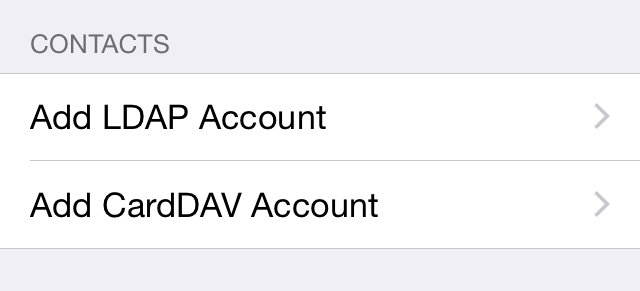
2. Choose Other, then Add CardDAV Account.

How-to-transfer-from-Android-to-iPhone-2

3. You will now need to fill in some information. For server, enter ‘google.com’. For username and password, enter your Google account credentials. For Description, enter a name you’d like to use for your contact list, i.e. ‘Contacts’.

4. Tap Next, make sure Contacts is toggled On.

5. Now on the iPhone, go back to Settings, Mail, Contacts. Make your Google Account the Default Account and everything should sync.

Contacts can also be transferred directly by SIM card. You’ll need to have a micro-SIM or nano-SIM in your Android phone for this to work and it must match the type your iPhone uses.

1. Make sure all of your contacts from the Android phone are saved to the SIM card.

2. Remove the Android SIM card and insert it into the iPhone.

3. On the iPhone go to Settings, Mail, Contacts, Calendars.

4. Tap ‘Import SIM Contacts’. Your contacts will be transferred to the iPhone.

5. You can now remove the Android SIM and replace it with the iPhone SIM and return the Android one to the Android phone.

How-to-transfer-from-Android-to-iPhone

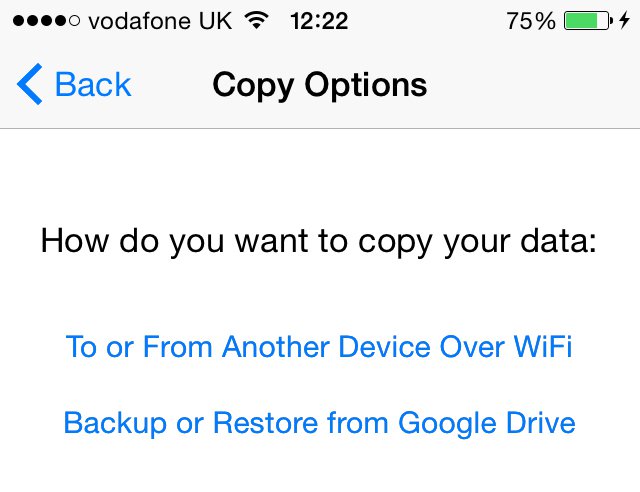
The final way to transfer contacts is using a variety of helpful apps available. Copy My Data is a popular app for performing a contact list transfer. Hopefully everything goes smoothly and you can enjoy your full contact list on that new iPhone.

How to enter Boot Into Safe Mode for Windows 8/8.1

Computers aren’t perfect and from time to time you’ll get crashes or odd errors that might need some debugging or a bit of extra work to correct. If you’ve been a Windows user for a while, chances are that you’ve had to boot into Safe Mode at least a few times. Safe Mode is designed to boot Windows with only the bare minimum files and drivers needed for Windows to function and is great for carefully picking through errors to find the part of the system that’s acting up. On a desktop, the familiar way to boot Safe Mode is to hold F8 or Shift + F8 while booting, but Windows 8 and 8.1 boot so fast that there is no time for the system to recognize these inputs. Luckily though, Microsoft has added a few options to tell the system you’d like it to reboot into Safe Mode.

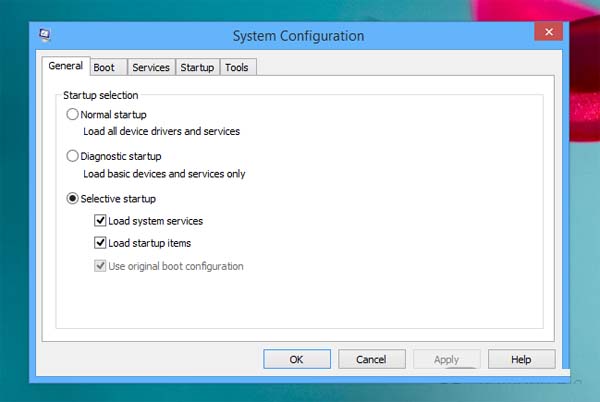
1. Press the Windows button and ‘R’ (Win + ‘R’) simultaneously to bring up the Run dialog.

2. Type ‘msconfig.exe’ and hit OK. This will bring up System Configuration.

Screenshot-19

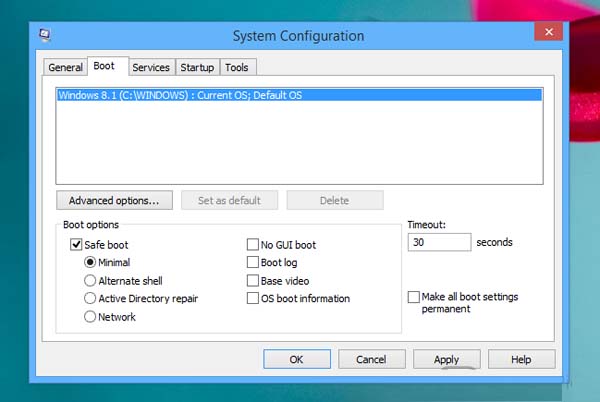
3. Now under System Configuration, click the Boot tab.

4. Now in the Boot tab, click the ‘Safe boot’ box under Boot options. Then click OK.

boot-options

5. You will be asked to reboot and when the computer does, it will automatically boot into Safe Mode.

You can also boot into Safe Mode through the Windows Restart button.

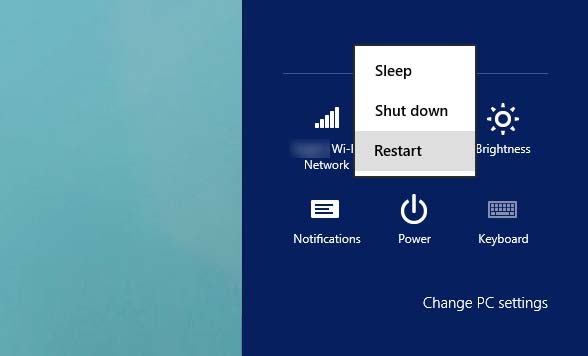
1. In the Windows Charms Bar, click the Power button. This should bring up options to Sleep, Shut down, or Restart.

Screenshot-21

2. Hold Shift and click Restart (Shift + Restart).

3. Now click Troubleshoot on the next screen.

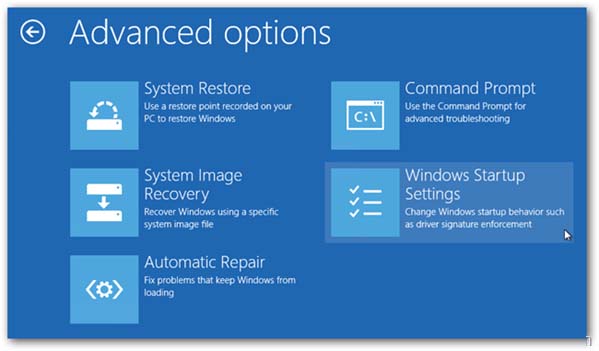
4. Next click Advanced Options.

Safe-Mode-2

5. Click Windows Startup Settings.

6. The computer will reboot and present some startup options. Hit F4 for Safe Mode, F5 for Safe Mode with Networking, and F6 for Safe Mode with Command Prompt.

The major downside to these methods is that they require you to be able to start up normally to access these options. If your computer is in such bad shape that you have trouble even accessing these methods, you’ll have to use something like a bootable USB or DVD and Windows Recovery Media to accomplish the same thing. Here’s hoping that these methods are all you’ll ever need anyway!