Download the Windows 10 Pro ISO Without a Key From Microsoft

With users the world over upgrading to Windows 10, Microsoft has thoughtfully made ISO files available as well so the upgrade process can be streamlined. An ISO version is great if you need to upgrade multiple machines, install Windows 10 on a formatted device, or just prefer to have a backup in case you need to make repairs or do another install. Luckily, the Windows 10 Pro ISO is available to download from Microsoft and no key is required upfront. You will of course need a genuine key when you actually install Windows 10 however.

Before you begin, you’ll need to make sure you have enough storage space for the relatively large Windows 10 ISO file. You’ll also need a USB or DVD to write the files to so you can make bootable media to install Windows 10. You might also want to double check if your PC is fully compatible with Windows 10. A stable internet connection is highly recommended as the file size is large and you don’t want to have it be corrupted and have to download the entire thing again.

Screen-Shot-2015-07-29-at-8.20.42-PM

Screen-Shot-2015-07-29-at-8.21.04-PM

Screen-Shot-2015-07-29-at-8.21.20-PM


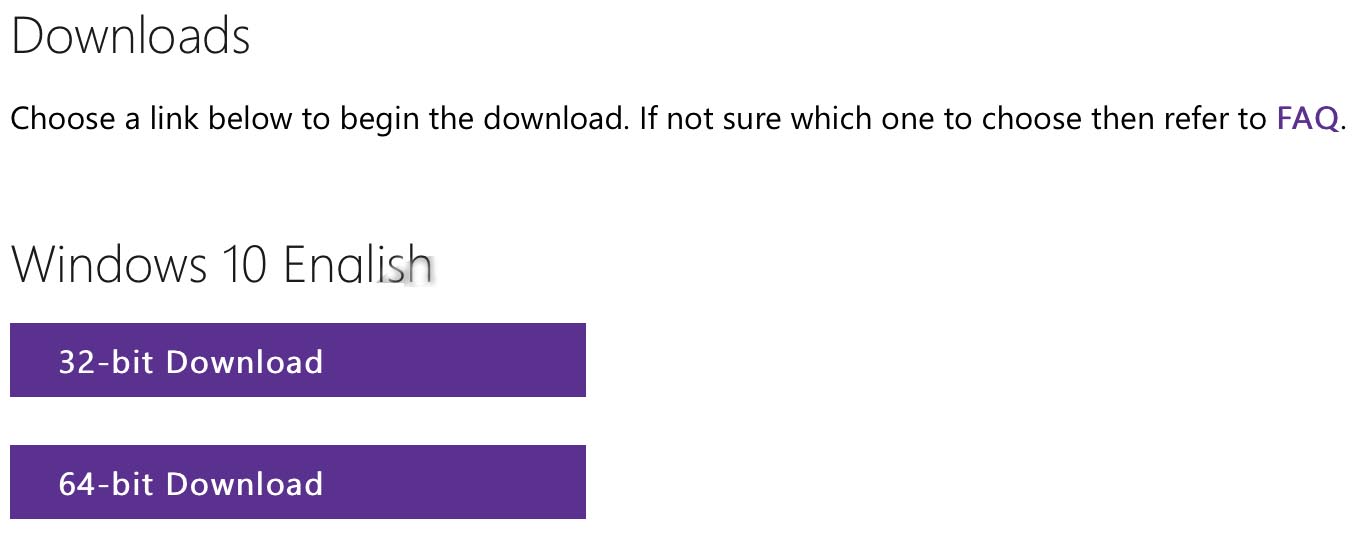
If you’re all set, head on over to the Microsoft’s Software Download page here. Then simply select Windows 10 Home or Windows 10 Pro, select your Language, and then either the 32-bit or 64-bit version depending on your system. Once you’ve made the relevant selections, the download should begin and once it’s done, you’re ready to install and enjoy Windows 10!

The process is very simple and thankfully Microsoft has eliminated virtually all of the hassle of upgrading to a new OS. The way the Windows 10 launch has been managed bodes well for the future of Microsoft and Windows 10. It’s a great time to be a Windows user and the free upgrade certainly doesn’t hurt.
Force Upgrade to Windows 10

Microsoft has officially launched the full release version of Windows 10 though it is still rolling out as part of Windows Update. As many have been eagerly anticipating the day of the release and have their free upgrades reserved, now is the time to download the update itself and begin enjoying Windows 10. If you’ve already reserved your upgrade, Windows Update should eventually download and apply the upgrade automatically. If you don’t want to wait however, you can force the upgrade with a few easy steps.

windows-update-change-settings-automatically

1. Make sure Windows Update is not already in the process of downloading the Windows 10 files. Enable viewing Hidden items and check your C:\ folder for an entry ‘$Windows.~BT‘. If it’s there, the upgrade process has already started so you can just sit back and wait. Otherwise, continue to Step 2.

2. You will need a genuine copy of Windows 7/8.1, all previous Windows updates, and a compatible device. Make sure these all apply to your system.

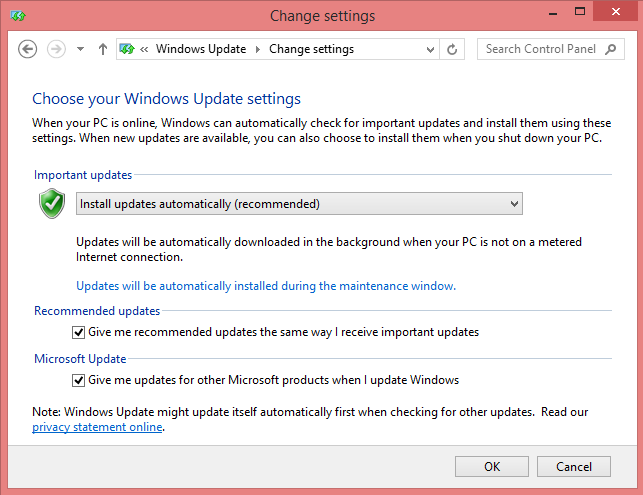
3. Now launch Windows Update. Enable ‘Install updates automatically’.

4. Go to C:\Windows\SoftwareDistribution\Download and delete everything in that folder. These are just temporary update files so don’t fret about removing them.

5. Hit the Windows button and type ‘cmd’ in the search box. Right click on ‘cmd.exe’ and ‘Run as Administrator’. This will open the Command Prompt window.

wuaclt_exe-updatenow-windows10

6. Inside the Command Prompt window, type ‘wuauclt.exe /updatenowand then hit the Enter key.

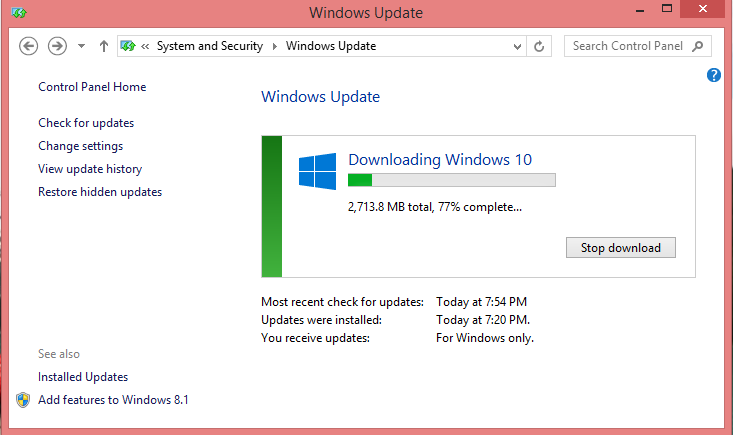
7. Now wait a few moments and check Windows Update again. It should have begun downloading Windows 10 with a progress bar for the download status.

windows-10-update

8. After the download is complete, it will say ‘Preparing for installation’ and after that is finished you can finally install Windows 10 and reboot to try it out.

That’s all there is to it, a pretty simple trick to force the Windows 10 upgrade. Windows 10 has a lot of new features on offer, so enjoy taking it for a spin and trying out all the changes and additions.


-> Download the Windows 10 Pro ISO Without a Key From Microsoft

-> The 5 Best Features of Windows 10

Lock Your Mac or PC Via WiFi With Your iPhone or Apple Watch

Being able to remotely lock your computer is convenient and gives you peace of mind in terms of security. If you’ve ever left your computer environment and forgot to lock it, there is a way to quickly lock it so that nobody but you can access it. An app called Lock It Up lets you link any PC or Mac computer to your iPhone and Apple Watch and then remotely lock and unlock it with a few taps. It’s not only great for local security and privacy concerns, but being able to lock your environment with an iPhone or Apple Watch is helpful for the forgetful among us.

lockitup-windows

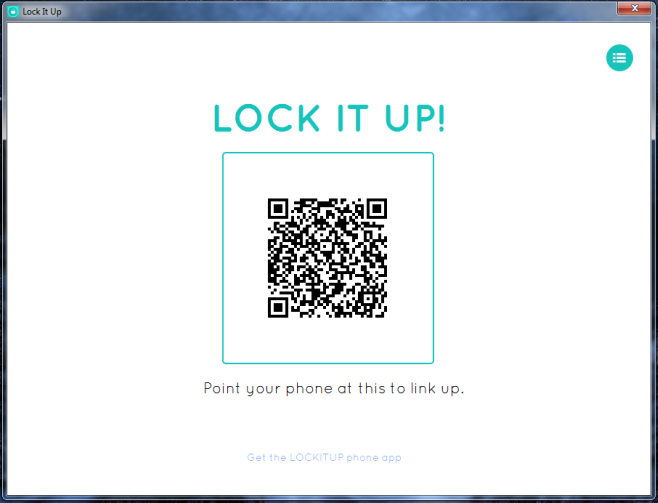
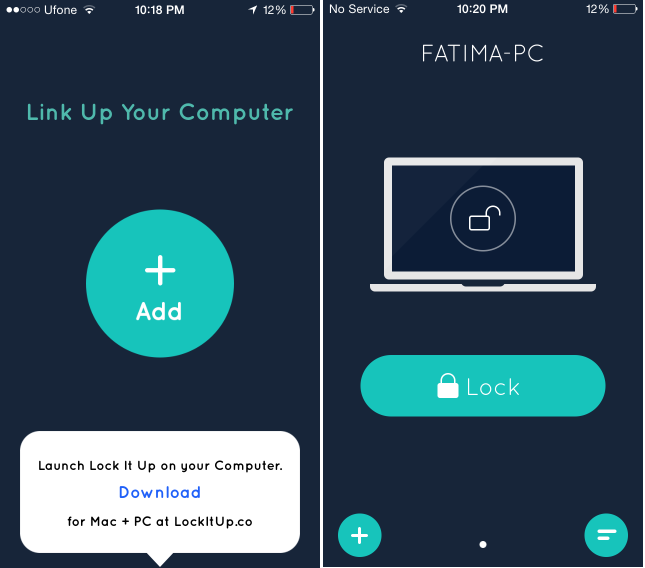
The process for using Lock It Up is extremely simple and intuitive. First, you must download and install the client app for Lock It Up that will run on your desktop or laptop computer. You’ll also need to download and install the Lock It Up iPhone app. After installation, start the desktop client app and you’ll see a QR code. Launch the Lock It Up iPhone app and tap the ‘+ Add’ button in the Link Up Your Computer view. Then, just scan the desktop QR code with your iPhone and the two should be linked and ready to use. Now, your desktop should be shown in the app and you simply tap the ‘Lock’ button to lock and unlock your computer remotely.

lockitup-add

You can even add multiple computers and lock and unlock them all from the same app. To add another computer, tap the plus icon and scan the QR code presented by that system. To change the computer being locked or unlocked, tap the list icon on the right and select the computer you want to access. Then you can remotely lock and unlock the system from your iPhone or Apple Watch. Support for multiple computers is a really welcome feature. It’s also helpful that this all happens via WiFi so it supports larger distances between devices depending on the strength of the WiFi network.

Lock It Up is available for $3.99 on the App Store and is well worth it if you need a locking solution.

Source: LookitUP for Windows & Mac

The 5 Best Smartwatches for Under $200

With the high cost of most smartwatches, some might think owning one is beyond their means and not really necessary. Not all smartwatches are $300 and over though, and there are some excellent, full-featured choices for $200 and under. You might be surprised at how much you can get for your money with these watches that also double as fitness trackers. Many fitness bands cost in the range of these watches, so why not have a device that can do double duty? It’s also a fun way to give smartwatches in general a try and see if they benefit you. Here are 5 great smartwatches for the budget minded.

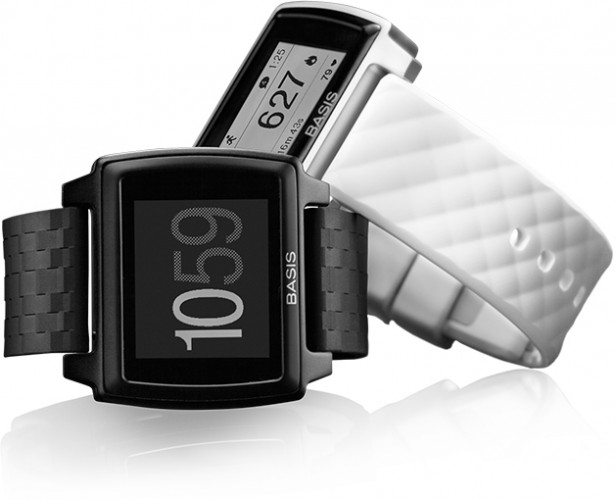
1. Basis Peak ($180)

Basis-Peak-smartwatch-fitness-tracker

The Basis Peak started out its life as a full-fledged fitness tracker but then received a substantial firmware upgrade to allow it to function as a smartwatch as well. It has an optical heart rate engine to track your heartbeat accurately using light, 3-axis accelerometer for motion tracking, and sensors for skin temperature and Galvanic response. These sensors are ideal for activity and sleep monitoring and the Basis Peak shines there. It’s also no slouch in the smartwatch department and is compatible with Android and iOS with an OLED touchscreen.

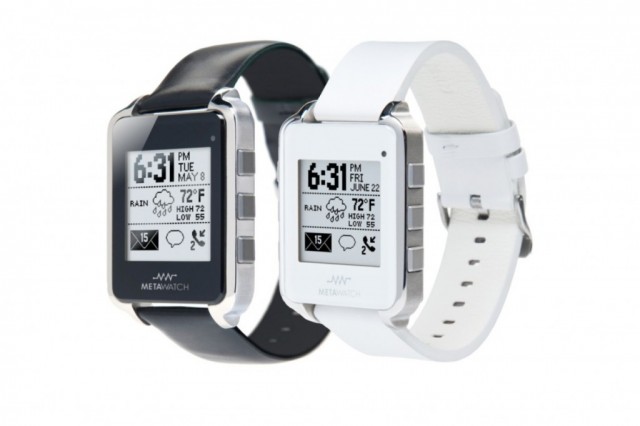
2. MetaWatch Frame ($50)

MetaWatch-Frame

The MetaWatch Frame is the least expensive smartwatch on the list but is very capable in its own right. It can connect to both iOS and Android devices for notifications, battery monitoring, and even control music being played on your smartphone. The MetaWatch Frame also features an accelerometer and light sensor for some fitness and activity applications.

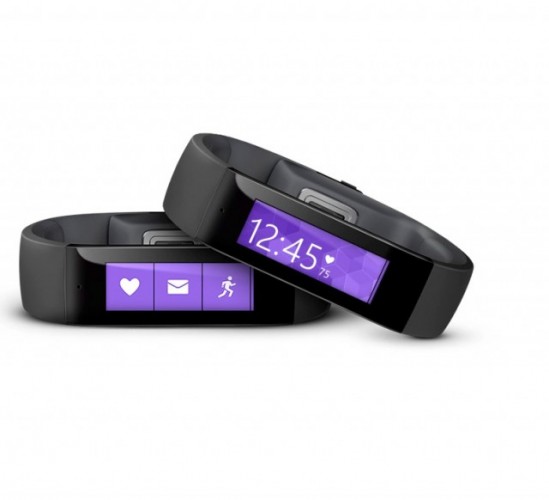
3. Microsoft Band ($200)

Microsoft-Band-powered-by-Microsoft-Health

Coming in at the top of the $200 budget, the Microsoft Band is an impressive fitness tracker and smartwatch hybrid. Like the Basis Peak, it has a full suite of fitness sensors including optical heart rate monitor, accelerometer, skin sensors, and gyrometer. Even better, it has an integrated GPS unit so you don’t even need your phone to track you activity and location. The Band features a lovely touchscreen with tile interface and the digital assistant Cortana who can help you view notifications, get directions, and more. The Band also works with iOS, Android, Windows Phone, Windows, and Mac OS X.

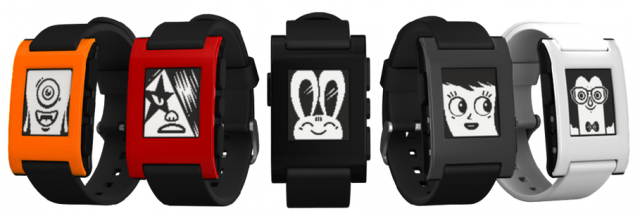
4. Pebble ($99)

Screen-Shot

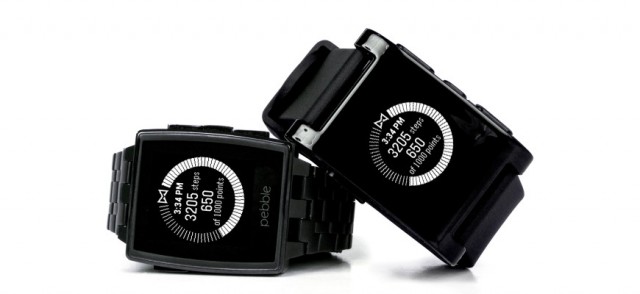
At only $99, the Pebble is hard to beat in terms of sheer value for the price. It has activity sensors for fitness applications, is water resistant, has full smartwatch capabilities and can connect to both iOS and Android devices. The Pebble is notable for its e-ink display which provides a clear image for days on end and allows the Pebble to easily beat the competition when it comes to battery life. The Pebble lets you see text and call notifications right from your watch without having to check your phone and can run some apps customized for it.

5. Pebble Steel ($150)

Pebble-smartwatch

The Pebble Steel is the newest version of the Pebble smartwatch but has the exact same functionality of its more budget-friendly sibling. It features a steel watch casing which some might prefer to the Pebble’s plastic housing. Besides the style differences, the Pebble Steel sports the same internals with activity sensors, Bluetooth connectivity to iOS and Android devices, and an e-ink display with great battery life.

Half-Life Runs on Android Wear!?

Yes the day has finally arrived and the iconic game Half-Life has been made to run on an Android Wear smartwatch. Before you get too excited, as one might imagine it does not run at a proper framerate all the time and is nearly unplayable using such a small screen for touch controls. What it does prove is that Android Wear can run some seriously robust apps all by itself and this is a fun proof of concept.

The process for getting Half-Life to run on your Android Wear smartwatch is pretty involved and you will also need an original copy of the game. That, added to the fact that it honestly doesn’t run too well really only makes this a fun exercise for showing what Android Wear is capable of or if you just really want to see it in action. It’s not out of the realm of possibility that one day there could be Android Wear optimized versions of popular games with different control schemes or the ability to use a separate controller. As crazy as that sounds, there are surely people out there who want to make that happen eventually.

It’s always fun to see people push the limits of hardware just to see what is possible and inspire others. One of the beautiful things about digital technology is being able to run a PC game that’s 17 years old on a wristwatch. Such a thing would have been entirely inconceivable when the game was first released and is now very much possible. If you’re a huge fan of Half-Life or just want to try the process out for yourself, the instructions are available at Dave Bennett’s site.

It could be an exciting future for Android Wear, gaming, and native apps and we can partly thank users like this for pushing the envelope.

Enable the Home Button in Microsoft’s Edge Browser

Microsoft’s new flagship Edge browser is clearly a focal point for Windows 10 and is meant to finally answer the many, many years of criticism regarding Internet Explorer. Edge is fast, modern, and clean but apparently some small details that users have come to expect of a browser have gone missing. In the name of modern design, it seems the Edge engineers decided that there was no need for a default Home button which has been a staple on many browsers for years. That trusty button takes the user back to their set homepage and was a great way to escape from a barrage of endless links and begin a new browsing experience. While many might not ever use the Home button, others find it absolutely essential. Luckily for the latter, Microsoft decided to give users the option to put the Home button back on Edge. Follow these simple steps to enable the Home button in the Edge browser.

Screenshot (111)

1. Launch the Edge browser. Find the three dots icon in the top right and click it to open the options menu.

2. Click Settings, then below Advanced Settings, you’ll see an entry called ‘Show the home button’ along with a toggle switch.

3. Switch the ‘Show the home button’ toggle switch to On and enter the URL for your homepage. This will be the site that is opened when you click the Home button.

4. Finally, click the ‘Save’ button below and exit the options menu.

Now, that familiar little house icon which sends you to your Home page will appear beside the address bar in Edge. Clicking it at any time will bring you to your beloved Home page, no matter where you’ve found yourself on the web. For anyone who has really come to rely on that button, this should make Edge feel like home sweet home.